

OutdoorHub
Wild Chinook Harvest Opens on Snake River as Cooler Temps Boost Migration
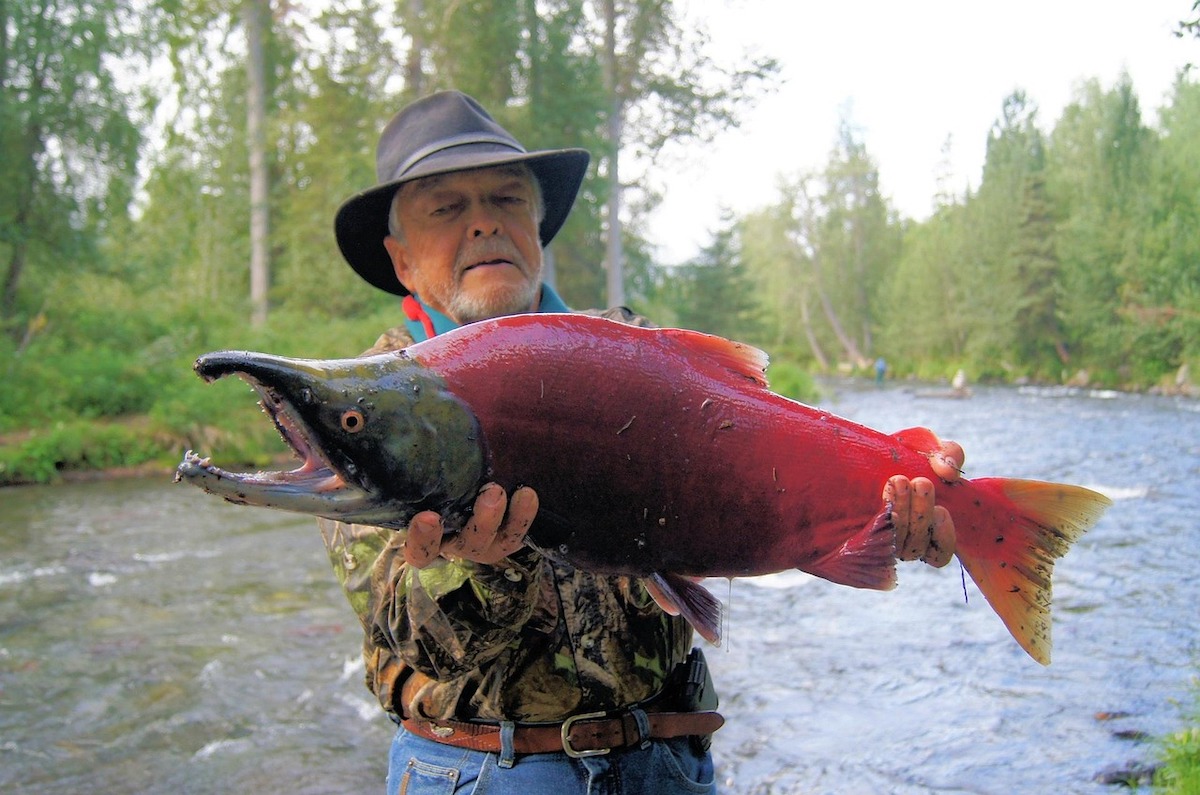
Photo: Barbara Jackson
Anglers targeting fall chinook salmon on the Snake River have reason to celebrate. After a two-week closure, both Idaho and Washington lifted restrictions on harvesting wild chinook salmon beginning October 4, thanks to cooler water temperatures that got fish moving upstream again.
The Idaho Department of Fish and Game and Washington Department of Fish and Wildlife had paused the harvest of wild salmon (those with unclipped adipose fins) on September 19 when unseasonably warm water temperatures in the Columbia and Snake rivers stalled the fall chinook migration.
“When things cooled off we had more fish move through,” said Chris Donley, WDFW’s eastern region fish program manager. “We decided to take advantage of that.”
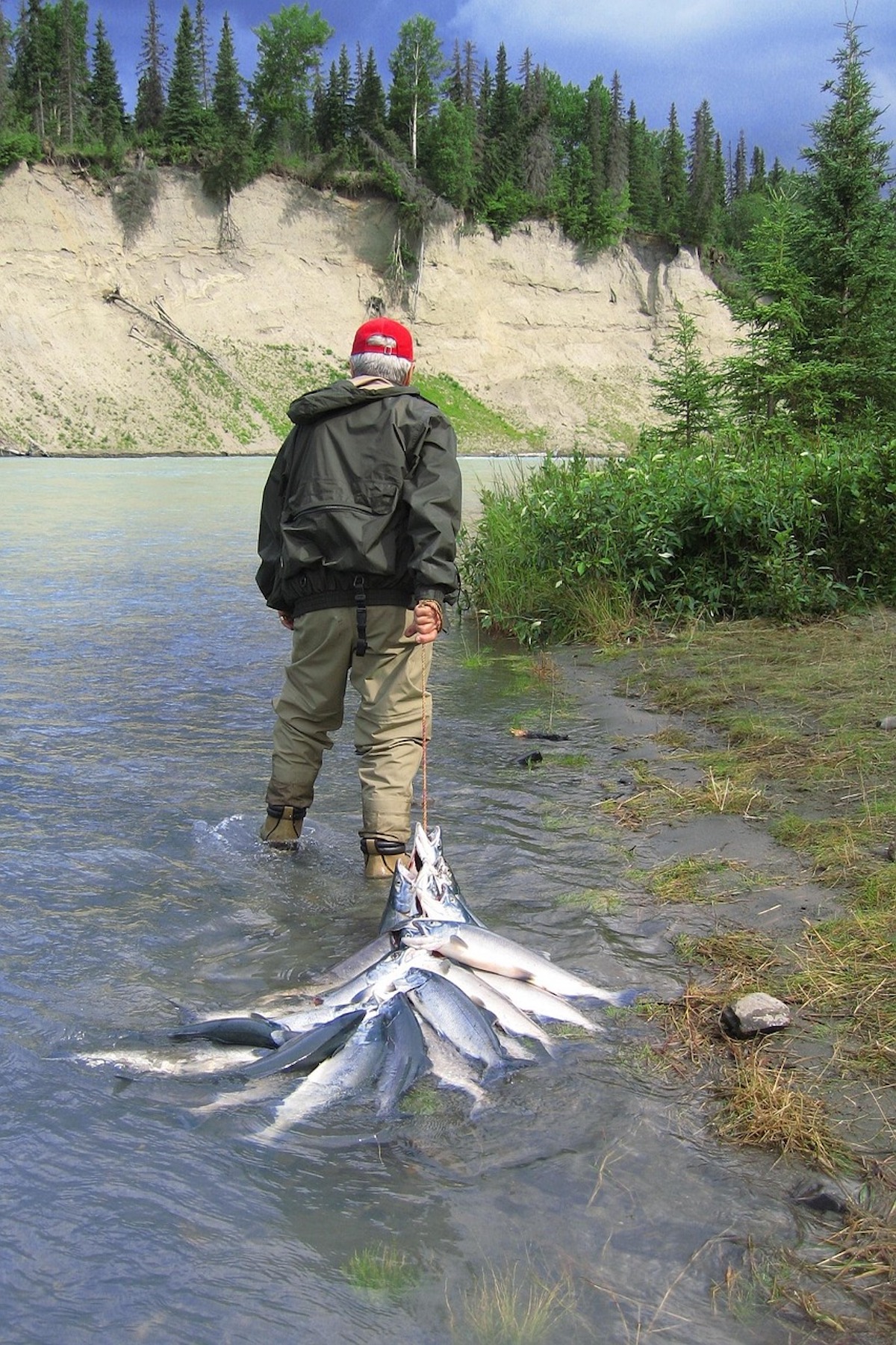
Snake River anglers can now harvest both wild and hatchery chinook salmon as fish counts at Lower Granite Dam exceed the critical 5,040 threshold.
Fisheries managers base their harvest decisions on fish counts at hydropower dams. The critical threshold is 5,040 adult fall chinook passing Lower Granite Dam, which sits downstream of Clarkston. When numbers exceed that benchmark, the allowable recreational take jumps from 6 percent to over 10 percent of the run.
Joe DuPont, Idaho Fish and Game’s Clearwater region fisheries manager, confirmed that managers now have confidence the run will surpass that threshold. “After closely reviewing all the available data with the Nez Perce Tribe and other agencies, we have confidence that the number of adult wild fall Chinook Salmon that will pass above Lower Granite Dam will exceed 5,040 fish,” DuPont wrote in an update.
The improved fish passage at Bonneville Dam and into the Snake River gave managers the green light to reopen wild salmon harvest.
Regulations vary by river section. Washington’s Lyons Ferry Bubble Fishery, a 1.4-mile stretch from the red river marker on the south shore upstream to the Highway 261 Bridge, remains open four days per week (Thursday through Sunday) until October 26. Anglers can keep two adult chinook daily, but only one can be wild.
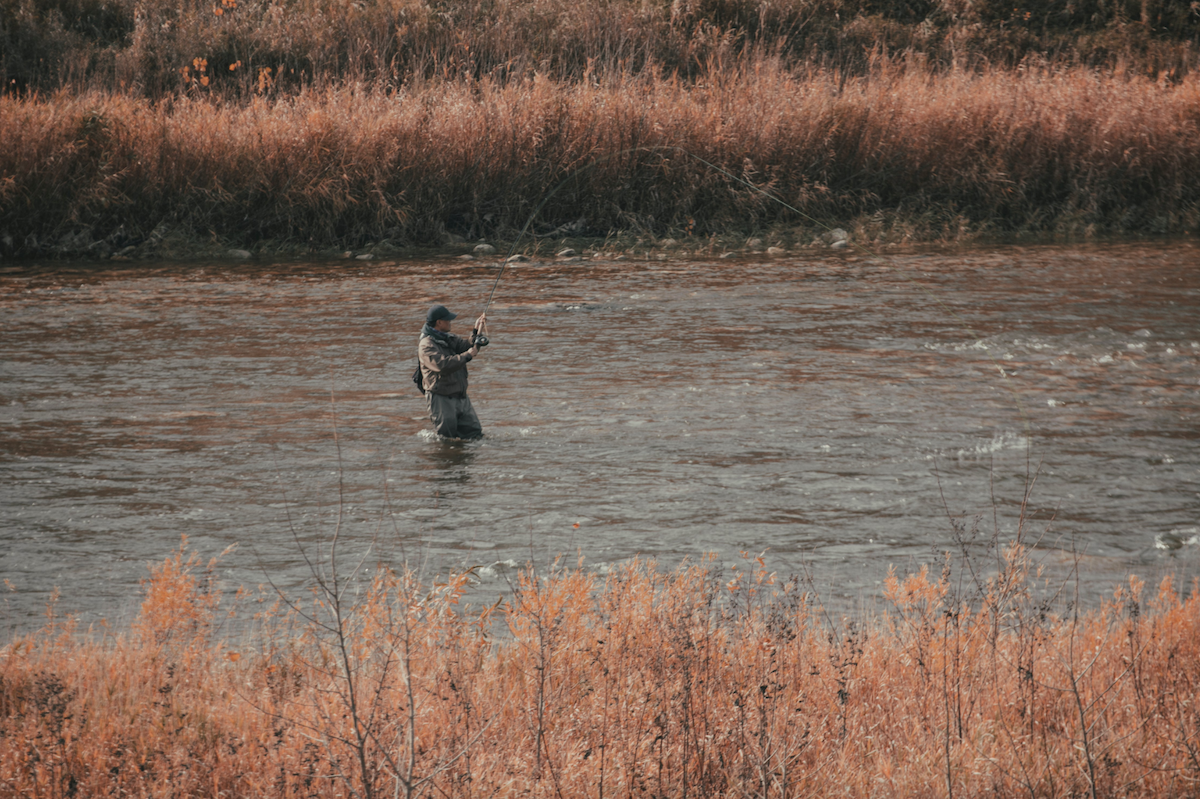
With water temperatures dropping, fall chinook are pushing upstream into prime fishing areas like Heller Bar and the lower Salmon River
From the power lines crossing the river upstream of West Evans Road (about 3 miles downstream of Clarkston) to the Washington-Idaho border, fishing is open daily until October 15. From there upstream to the Oregon state line, the season runs through the end of October. In these sections, anglers can harvest three adult chinook, either wild or hatchery.
With dropping water temperatures, fall chinook are finally pushing upstream. “With water temperatures decreasing in the Snake River, fall Chinook Salmon are starting to move upstream,” DuPont noted. “If you like to fish around Heller Bar or in the lower Salmon River, the fish should be showing up there soon.”
This season’s adult chinook returns to Bonneville Dam totaled 417,268 through September 30, marking the fifth largest count in the last 10 years. However, counts at McNary and Lower Granite dams have been lower than recent years, making the successful migration of these fish all the more important for anglers hoping to fill their tags.
The post Wild Chinook Harvest Opens on Snake River as Cooler Temps Boost Migration appeared first on OutdoorHub.
Continue reading...
Wild Chinook Harvest Opens on Snake River as Cooler Temps Boost Migration
Photo: Barbara Jackson
Anglers targeting fall chinook salmon on the Snake River have reason to celebrate. After a two-week closure, both Idaho and Washington lifted restrictions on harvesting wild chinook salmon beginning October 4, thanks to cooler water temperatures that got fish moving upstream again.
The Idaho Department of Fish and Game and Washington Department of Fish and Wildlife had paused the harvest of wild salmon (those with unclipped adipose fins) on September 19 when unseasonably warm water temperatures in the Columbia and Snake rivers stalled the fall chinook migration.
“When things cooled off we had more fish move through,” said Chris Donley, WDFW’s eastern region fish program manager. “We decided to take advantage of that.”
Snake River anglers can now harvest both wild and hatchery chinook salmon as fish counts at Lower Granite Dam exceed the critical 5,040 threshold.
Fisheries managers base their harvest decisions on fish counts at hydropower dams. The critical threshold is 5,040 adult fall chinook passing Lower Granite Dam, which sits downstream of Clarkston. When numbers exceed that benchmark, the allowable recreational take jumps from 6 percent to over 10 percent of the run.
Joe DuPont, Idaho Fish and Game’s Clearwater region fisheries manager, confirmed that managers now have confidence the run will surpass that threshold. “After closely reviewing all the available data with the Nez Perce Tribe and other agencies, we have confidence that the number of adult wild fall Chinook Salmon that will pass above Lower Granite Dam will exceed 5,040 fish,” DuPont wrote in an update.
The improved fish passage at Bonneville Dam and into the Snake River gave managers the green light to reopen wild salmon harvest.
Regulations vary by river section. Washington’s Lyons Ferry Bubble Fishery, a 1.4-mile stretch from the red river marker on the south shore upstream to the Highway 261 Bridge, remains open four days per week (Thursday through Sunday) until October 26. Anglers can keep two adult chinook daily, but only one can be wild.
With water temperatures dropping, fall chinook are pushing upstream into prime fishing areas like Heller Bar and the lower Salmon River
From the power lines crossing the river upstream of West Evans Road (about 3 miles downstream of Clarkston) to the Washington-Idaho border, fishing is open daily until October 15. From there upstream to the Oregon state line, the season runs through the end of October. In these sections, anglers can harvest three adult chinook, either wild or hatchery.
With dropping water temperatures, fall chinook are finally pushing upstream. “With water temperatures decreasing in the Snake River, fall Chinook Salmon are starting to move upstream,” DuPont noted. “If you like to fish around Heller Bar or in the lower Salmon River, the fish should be showing up there soon.”
This season’s adult chinook returns to Bonneville Dam totaled 417,268 through September 30, marking the fifth largest count in the last 10 years. However, counts at McNary and Lower Granite dams have been lower than recent years, making the successful migration of these fish all the more important for anglers hoping to fill their tags.
The post Wild Chinook Harvest Opens on Snake River as Cooler Temps Boost Migration appeared first on OutdoorHub.
Continue reading...